Average Velocity
Reference from the original Physics I textbook.
- Average Velocity
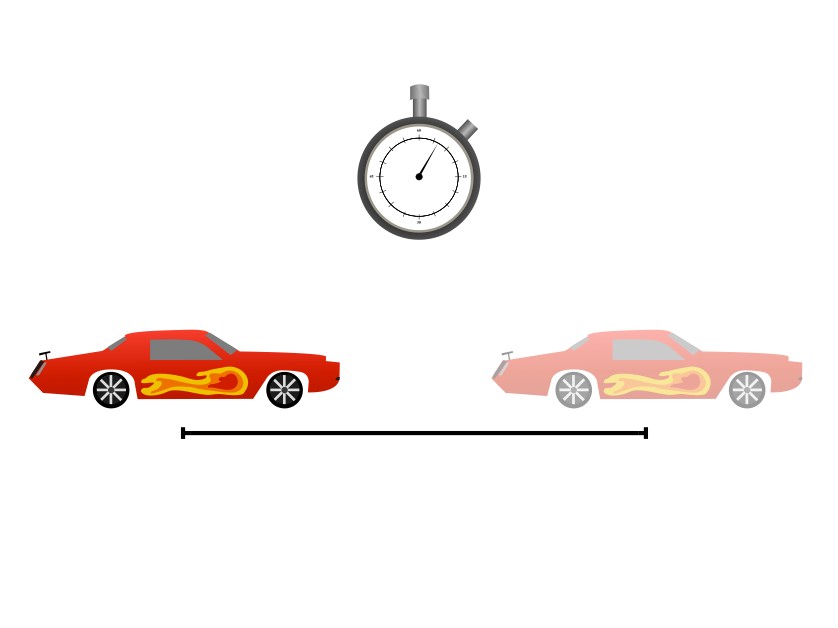
Average velocity is displacement divided by the elapsed time: v⃗_avg = (r⃗_f − r⃗_i)/Δt. It depends on the starting and final positions and on the time interval.
- Related Glossary Terms
- Index
Reviewed physics notes (1)
These corrections keep the original lesson’s purpose while fixing errors in the source edition.
- Original definition omits the time interval. — Reference 1
Glossary and deeper reading · 2 refreshers
These editorial refreshers supplement the reading. Definitions and examples are added guidance; original source wording and recorded answers remain in their original context.
-
Average velocity
Average velocity is the displacement over an interval divided by the elapsed time. It is a vector and need not equal the average speed, which uses total distance. For example, a runner who returns to the starting line has zero average velocity for the full lap.
-
Kinetic friction
Kinetic friction acts between surfaces that slide relative to one another. It opposes their relative slipping and is often modeled with magnitude equal to the kinetic-friction coefficient times the normal force. For example, a rapidly moving belt can exert forward kinetic friction on a slower box sliding on it.