Comparison Test
This original textbook reading covers part of the AP topic. Follow the AP course outline for complete topic instruction and practice.
Section 3
Comparison Test
For the given series  , let there be another series
 such that
<
- If converges, so does
- If diverges, so does
Conditions
For all n,
- an, bn > 0
- an < bn
Example 4.3.1
Use the comparison test to determine the convergence of the series.
Graph 4.3.1
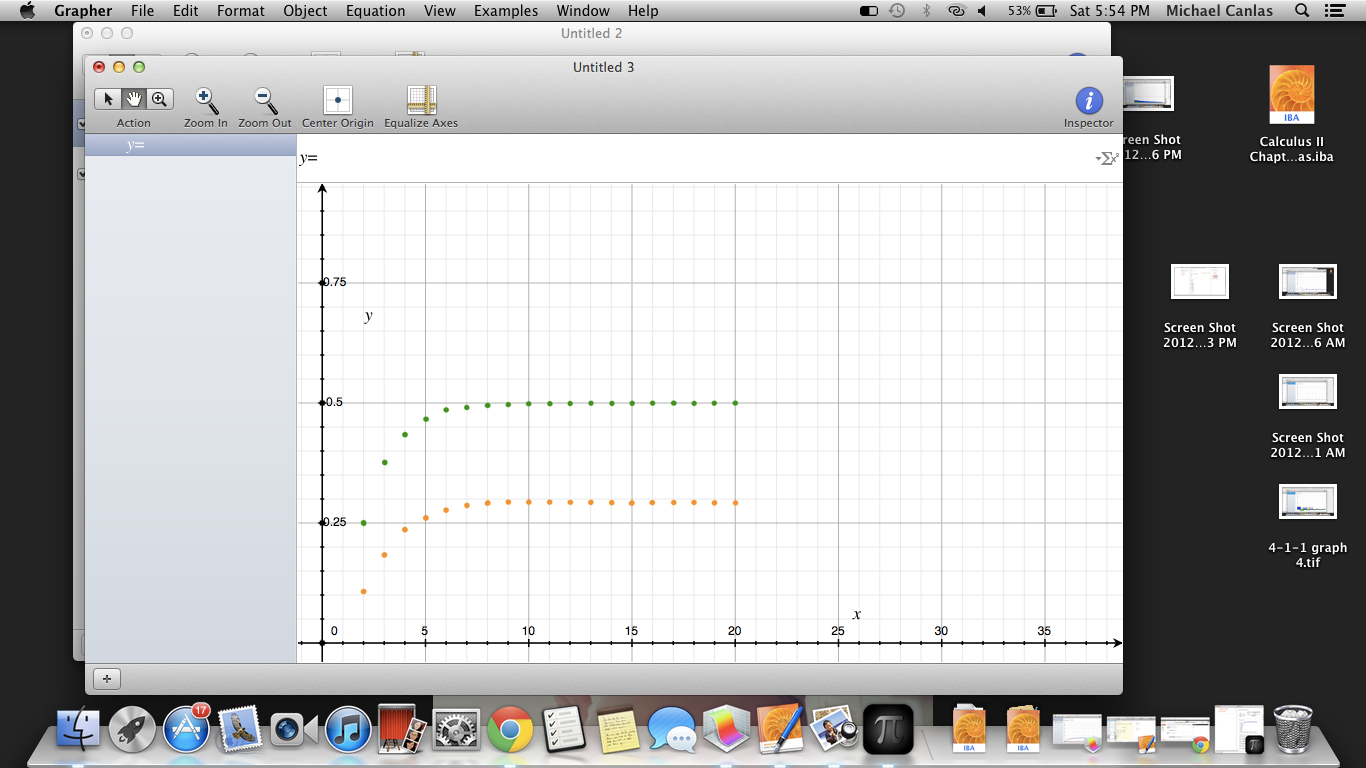
Read all original figure notes
Converges or
Diverges?
Since the example series is less than the other series given, which is convergent, the example converges also.
Series Given for
Comparison
The series converges to 5
Example Series
The series converges to .3
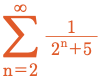
Find a known series for comparison. In this example...
2n+5 > 2n
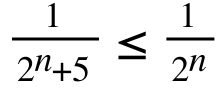
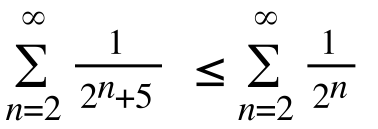
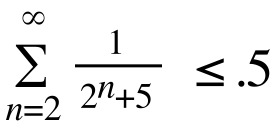
As the series is bounded above and is always increasing, it is therefore convergent.
Example 4.3.2
Use the comparison test to determine the convergence of the series.

Find a known series for comparison. In this example...
n-1 < n
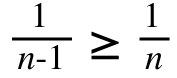
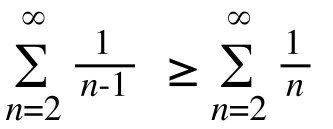
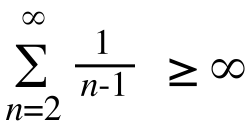
The series diverges.
Graph 4.3.2
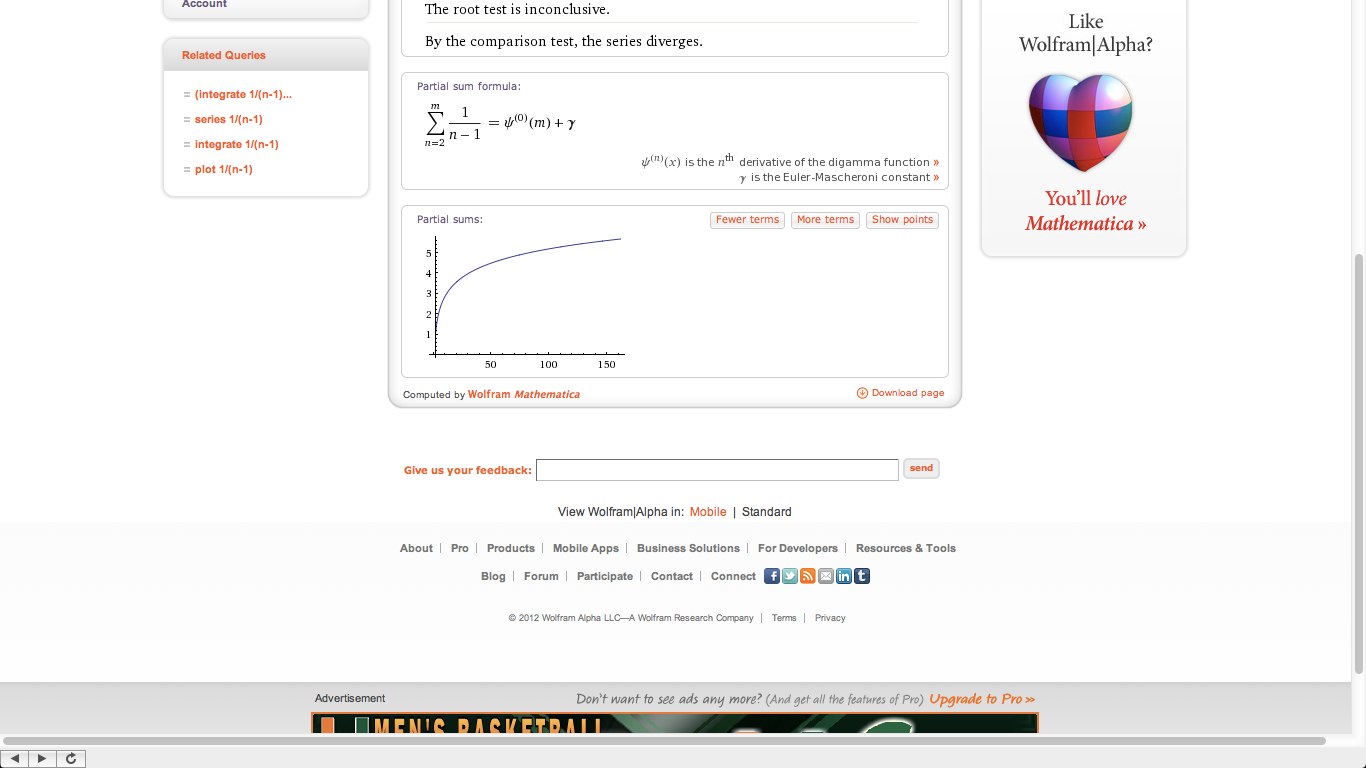
Read all original figure notes
Converges or
Diverges?
As the partial sums increase without bound, the series diverges.
Now, assuming that the series  is convergent, this means that the partial sum sn is less than a finite value for every n, and that the partial sum sn has an upper bound.
Since the sequence of partial sums for sn, or
{sn}
is monotonically increasing and bounded above, this means that the sequence must converge. And according to Chapter 2, if a sequence of partial sums converges, so does its infinite series.
Therefore, the series  converges.
Proof of Comparison Test
For the series and , the comparison test relies on the conditions that
- ak, bk > 0
- ak < bk
The proof makes use of the partial sums of the sequences, where
sn =  and tn =

Since the terms for both series are always positive,
sn < sn+1 and tn < tn+1
As such, the sequence of partial sums for both series are monotonically increasing.
And because ak < bk , this means that for every n, sn < tn .
Looking at the relationship between the partial sum tn and its infinite series,
tn = <
Under these conditions, it can now be said that
sn <
Chapter 4 Problems
Use the ratio, root, and comparison test to determine the convergence of the following series.
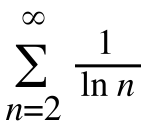
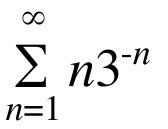
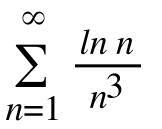
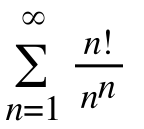
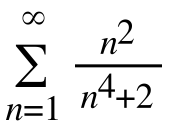
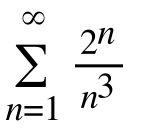
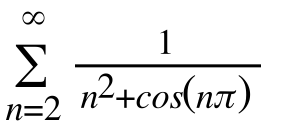
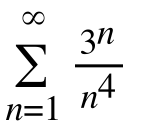
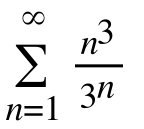
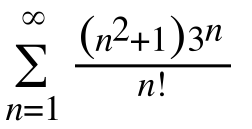
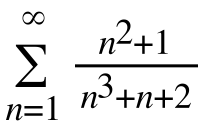
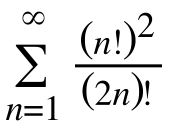
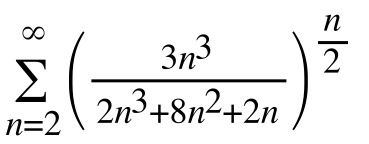
- The series diverges through the comparison test
Because ln n < n for n>2,
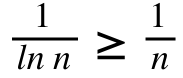
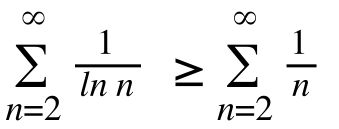
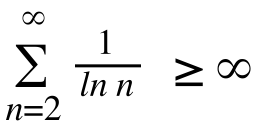
The series diverges.
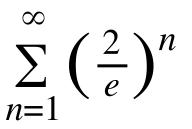
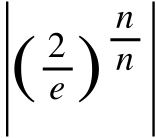
- The series converges through the root test.
= 
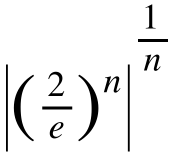
= 
=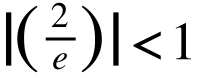
The series converges.
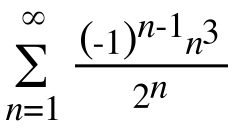
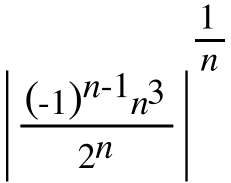
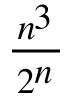
- The series converges through the root test.
=
=
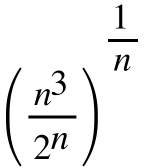
=
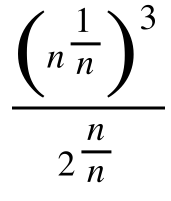
=
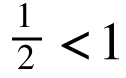
=
The series converges.
- The series converges through the root test.
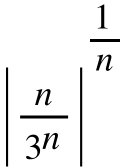
=
=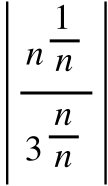
= < 1
The series converges.
- The series converges through the comparison test.
Because 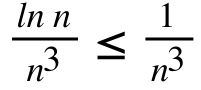
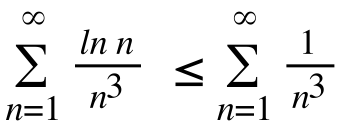
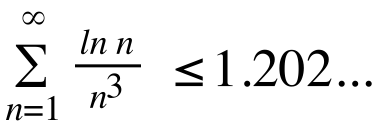
The series converges.
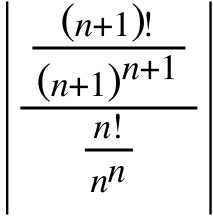
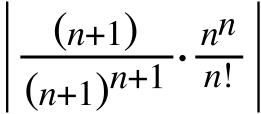
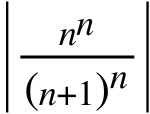
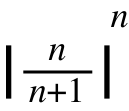
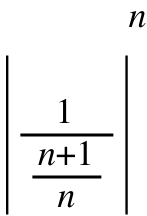
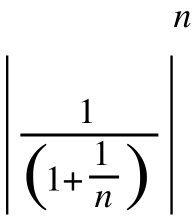
- The series through the ratio test.
=
=
=
=
=
=
=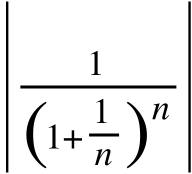
= < 1
The series converges.
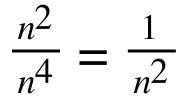
7. The series converges through the comparison test.
Because 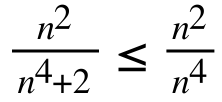 and
 ...
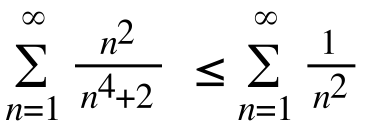
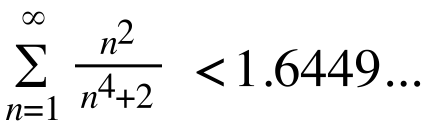
The series is convergent.
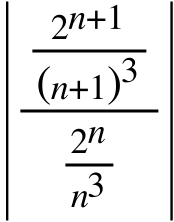
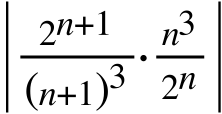
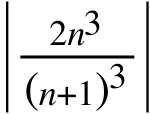
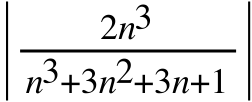
- The series diverges through the ratio test.
=
=
=
=
=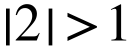
The series diverges.
- The series converges through the comparison test.
Because 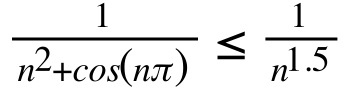
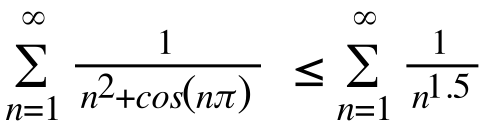
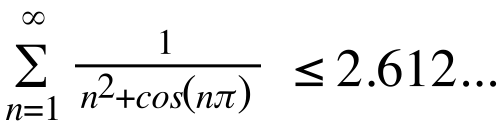
The series converges.
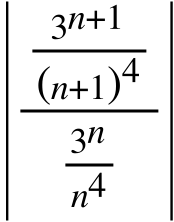
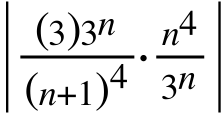
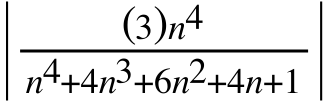
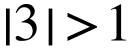
- The series diverges through the ratio test.
=
=
=
=
The series diverges.
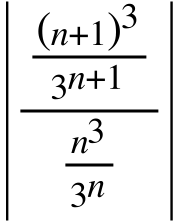
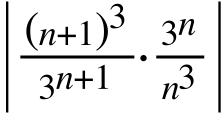
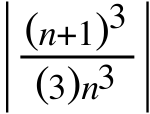
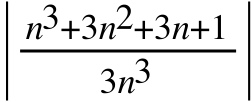
- The series converges through the ratio test.
=
=
=
=
=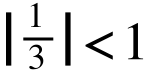
The series converges.
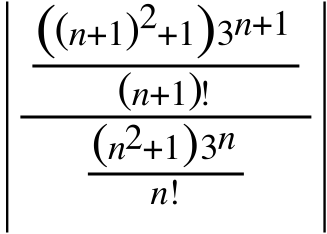
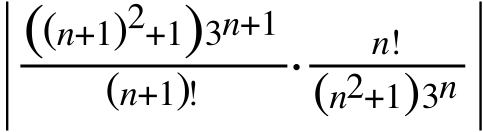
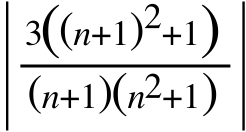
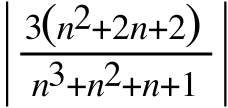
- The series converges through the ratio test.
=
=
=
=
= 3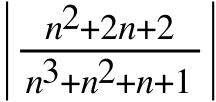
= 0 < 1
The series converges.
- The series diverges through the comparison test.
Because 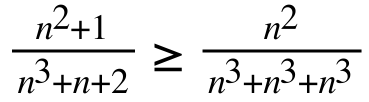 and
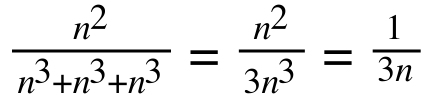
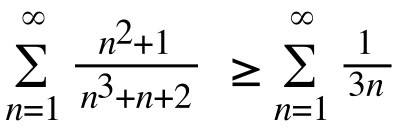
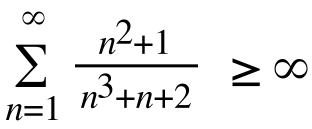
The series diverges.
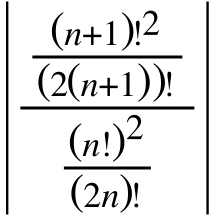
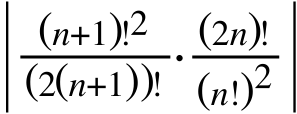
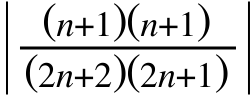
- The series converges through the ratio test.
=
=
=
=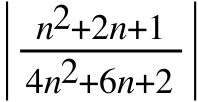
= < 1
The series converges.
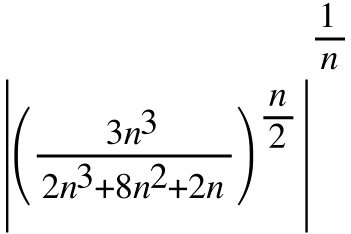
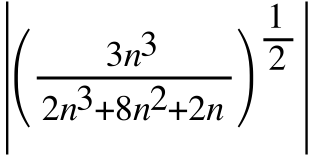
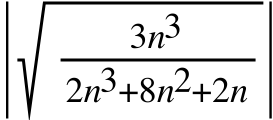
- The series diverges through the root test.
=
=
=
=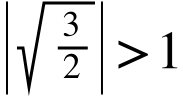
The series diverges.
Glossary and deeper reading · 2 refreshers
These editorial refreshers supplement the reading. Definitions and examples are added guidance; original source wording and recorded answers remain in their original context.
-
Comparison tests
Comparison tests determine convergence by relating nonnegative terms to a known benchmark series. Direct comparison uses a correctly directed inequality, while limit comparison uses a positive finite limit of the term ratio. For example, 0≤1/(n²+1)≤1/n² shows convergence because the upper p-series converges. Being smaller than a divergent series or larger than a convergent one does not settle convergence.
-
Infinite series
An infinite series is the sum of the terms of an infinite sequence, defined through its partial sums. The series converges when those partial sums approach a finite value. For example, 1/2+1/4+1/8+⋯ converges to 1. Terms approaching 0 are necessary for convergence, but that condition alone is insufficient.